

Winter Readiness for Trailer Fleets: A Telematics-Powered Strategy
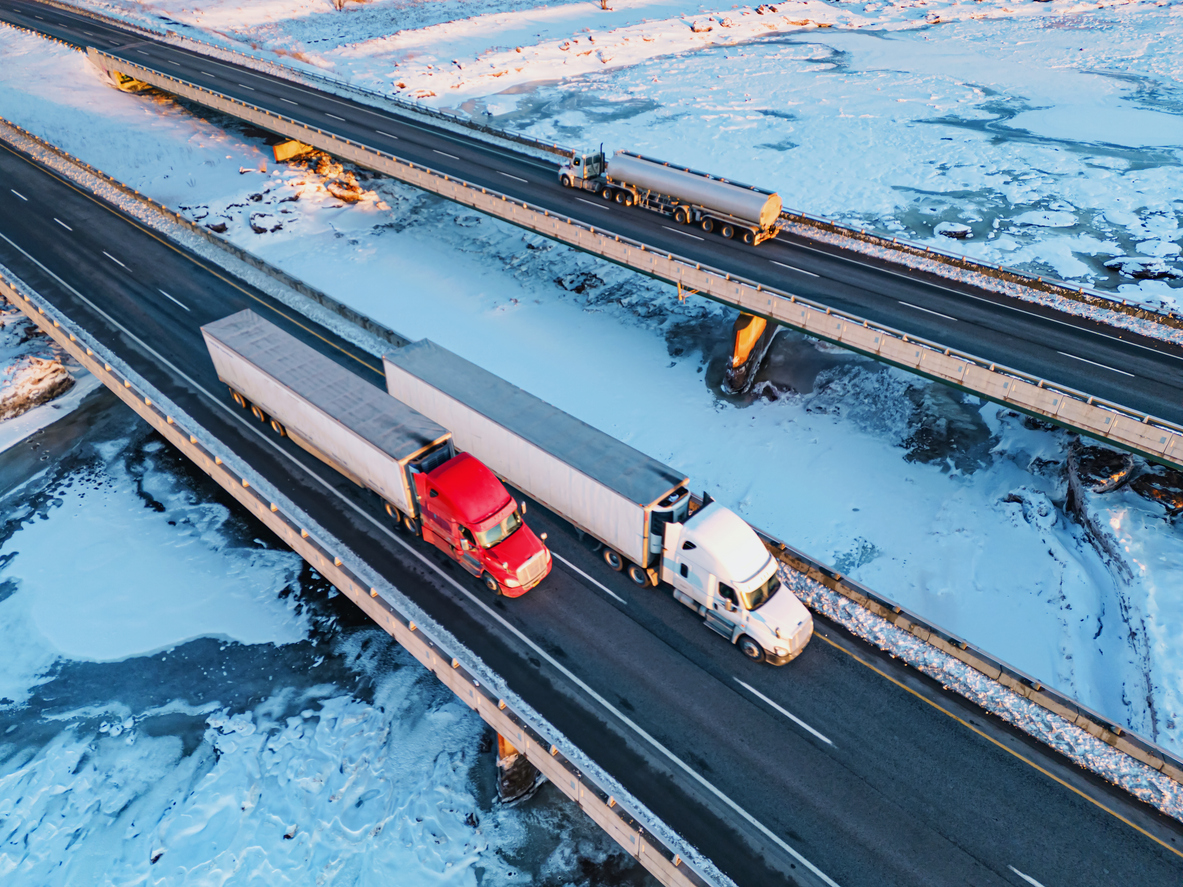
The Hidden Dangers of Winter Road Conditions
Cold weather, snow, ice, shorter daylight, and unpredictable transitions all combine to make winter one of the most challenging seasons for fleet safety. The numbers tell a compelling story:
Winter Weather Statistics
Crash Risk Increases:
According to the Federal Highway Administration (FHWA), winter weather contributes to nearly 20% of all weather-related crashes in the U.S. Even more concerning, commercial drivers logged about 7% more crashes per 100 million miles in winter compared with spring, despite driving fewer miles. Snow & Ice – FHWA Road Weather Management
Road Condition Hazards:
Weather-related crashes follow predictable patterns: 24% occur on snowy, slushy or icy pavement, while 74% occur on wet roads—which often precede or transition into icy conditions without warning. Snow & Ice – FHWA Road Weather Management
Maintenance Challenges:
Cold temperatures and snow add significant maintenance stress. Batteries underperform, tires lose pressure, and equipment exposed to the elements ages faster. Tire pressure naturally drops in cold weather, increasing blow-out risk and reducing traction—often before drivers or operators notice.
What This Means for Trailer Fleets
For trailer-fleet operators, each mile driven when pavement conditions change quickly or traction drops isn’t “just another mile”—it carries amplified risk and hidden cost. The combination of reduced visibility, compromised traction, and equipment stress creates a perfect storm of operational challenges that requires intelligent monitoring and rapid response capabilities.
Why Trailer Telematics Matter in Winter
When you think of winter readiness, you might picture plows, salt, snow tires and driver training. But modern fleets are increasingly turning to data and connectivity to elevate their winter preparedness. Here’s how telematics and connected trailer systems help:
Pre-emptive Maintenance & Alerts
Telematics systems can monitor tire pressure fluctuations in cold weather, ABS or lighting issues, and overall vehicle health—discovering problems before they lead to a breakdown on slick roads. This shift from reactive to predictive maintenance is particularly valuable when roadside service becomes more dangerous and time-consuming in winter conditions.
Real-time Asset Visibility
Knowing exactly where your trailers are, their current status, and condition enables smarter dispatching, especially when routes or weather conditions change rapidly. Rather than making assumptions about trailer location and availability, dispatchers work with accurate, current information.
Driver Behavior and Route Risk
Cold-weather conditions demand smoother braking, slower cornering, and cautious acceleration. Telematics systems can flag risky behaviors, making targeted coaching possible. This data-driven approach helps safety teams focus training where it matters most.
Winter-specific Risk Zones
Some road segments—bridges, shaded curves, interchanges—ice over faster than others. With connected systems, you can identify high-exposure zones and plan accordingly. Data analysis shows certain segments can experience 400–600% crash-rate increases from fall to winter, making route intelligence critical. America’s most dangerous winter roads
How Trailer Telematics Address Winter Challenges
Modern telematics platforms address winter readiness from multiple angles. Understanding these capabilities helps you evaluate solutions and implement them effectively.
Trailer Health Monitoring
Winter weather exposes equipment vulnerabilities faster than any other season. Comprehensive telematics systems continuously monitor the health indicators that matter most when temperatures drop:
Tire Pressure Monitoring: Real-time tire pressure sensors alert you the moment pressure drops below safe thresholds—critical when cold weather naturally reduces PSI and increases blowout risk. This automated monitoring catches issues that manual checks might miss, especially across large fleets.
ABS and Brake System Alerts: Tracking ABS functionality and brake system health ensures your trailers maintain stopping power on icy roads. Early warning of system degradation allows for scheduled maintenance rather than emergency repairs.
Lighting System Status: Reduced winter visibility makes working lights non-negotiable. Telematics platforms monitor all trailer lighting systems and alert you immediately when issues arise, preventing DOT violations and safety hazards.
Yard Check Analytics: Tracking dwell time and identifying trailers sitting idle in cold yards helps you understand where battery drain and temperature-related issues compound quickly. This visibility prevents trailers from becoming unavailable when you need them most.
Hardware Built for Extreme Conditions
Not all telematics hardware performs equally in winter. When evaluating solutions, look for:
Extreme Temperature Performance: Devices designed and tested for operation in severe cold continue functioning when temperatures plunge. Ask vendors for specific operating temperature ranges and real-world performance data.
Power Management: Wire-free, solar-powered options eliminate electrical system complications during cold-weather installations and continue operating when trailers sit idle. Battery life becomes critical during extended winter holds.
Weather-resistant Design: Sealed components must withstand snow, ice, road salt, and moisture without degradation. Look for IP ratings and corrosion-resistant materials.
Long-life Reliability: Extended battery life means your monitoring continues uninterrupted through extended winter storage and weather delays.
Data Analytics: Turning Winter Challenges into Operational Intelligence
Telematics platforms don’t just collect data—the best ones transform it into actionable insights that directly address winter operational challenges:
Utilization and Dwell Time Optimization: Winter operations often mean idle time spikes due to weather delays, warming periods, and hold times. Utilization analytics help you identify which trailers are sitting unproductive, where they’re located, and how to redeploy them efficiently.
Predictive Maintenance Triggers: By analyzing historical patterns and real-time sensor data, telematics can predict which trailers are most likely to experience cold-weather failures, allowing you to perform preventive maintenance before roadside breakdowns occur.
Route and Segment Analysis: Integrating location data with incident history helps identify which routes and road segments pose the highest winter risk for your specific operations. This intelligence informs routing decisions and driver coaching.
Cost Tracking: Understanding the true cost of winter operations—including increased maintenance, extended idle time, and weather-related delays—helps justify investments in winter preparedness and measure ROI on telematics implementations.
Integration: Winter Strategy at Scale
Individual trailer monitoring provides value, but true winter readiness requires system-wide coordination. Modern telematics platforms integrate seamlessly into existing operational infrastructure:
TMS Integration: Winter routing changes, schedule adjustments, and load rebalancing can be executed directly within your Transportation Management System using telematics data feeds. This eliminates manual data transfer and speeds decision-making.
ELD Coordination: Combining driver hours-of-service data with trailer location and condition information enables smarter dispatching decisions when winter weather limits available driving time.
ERP Connectivity: Feeding maintenance alerts, utilization data, and asset performance metrics directly into your Enterprise Resource Planning system provides comprehensive winter cost tracking and operational analysis.
Automated Alert Workflows: Configuring your telematics platform to automatically trigger maintenance work orders, dispatch notifications, or route changes based on winter-specific thresholds you define creates a responsive system that doesn’t rely on constant manual monitoring.
Extreme Winter Operations
For fleets operating in regions where winter isn’t just a season but a constant operational reality, telematics provides specialized capabilities worth emphasizing:
Operations in northern climates face unique challenges: severe tire wear from extreme temperatures and harsh road conditions, equipment exposure to prolonged sub-zero temperatures, and operational complexity from limited visibility due to snow, rain, and fog.
Fleets in these regions report that robust telematics platforms—combining durable hardware with intelligent analytics—transform how they approach winter fleet management. The key is selecting systems proven in extreme conditions rather than adapting fair-weather solutions.
Real-World Winter Success with Telematics
Fleets implementing comprehensive telematics strategies report measurable winter performance improvements:
Reduced Winter Downtime: Early detection of tire pressure drops and lighting failures prevents roadside breakdowns in hazardous conditions. One regional fleet reported a 35% reduction in winter service calls after implementing tire pressure monitoring. How Tire Pressure Sensors Improve Winter Safety | Telle Tire
Improved Asset Utilization: Real-time dwell time monitoring helps identify and redeploy idle trailers before they become frozen or battery-depleted, leading to measurable improvements in trailer utilization during winter months.
Lower Maintenance Costs: Predictive alerts enable scheduled repairs instead of emergency service calls in winter conditions, often saving 20-40% on maintenance costs when weather-related urgency is eliminated. Boost Predictive Maintenance with Real-Time Data Processing
Enhanced Safety Records: Equipment health monitoring ensures trailers meet safety standards before deployment in challenging weather. Fleets consistently report fewer DOT violations and incidents.
Better Customer Service: Accurate location and condition data enables proactive communication with customers about weather-related delays, improving relationships even when disruptions occur.
Conclusion: Winter Readiness Through Technology and Strategy
Winter doesn’t have to mean increased risk and reduced efficiency for your fleet operations. The combination of proper planning, robust telematics technology, and data-driven decision-making transforms seasonal challenges into manageable operations.
The data is clear: proactive winter strategies reduce crashes, minimize downtime, and improve asset utilization when it matters most. Telematics provides the visibility, intelligence, and automation to execute those strategies at scale—but only when implemented thoughtfully and integrated into your broader operational approach.
Don’t wait until the first snowfall to take action. Start implementing your telematics-powered winter readiness plan today.
Learn How FleetPulse Can Support Your Winter Operations
FleetPulse provides trailer telematics solutions designed for extreme conditions, with comprehensive monitoring, durable hardware, and seamless integrations. Our customers report significant improvements in winter safety, utilization, and cost control.
Email [email protected] to see how FleetPulse can help you winter-proof your fleet operations.
Download Your Complete Winter Readiness Checklist
Ready to implement a comprehensive winter strategy for your trailer fleet? Download our detailed Winter Readiness Checklist for Trailer Fleets—a complete guide covering pre-season preparation, daily operations, and post-season analysis.